TRAIN. Test. Teach.
30+
Universities
10
Teams
2027
Mission
Where Students Run Real Spaceflight Simulations
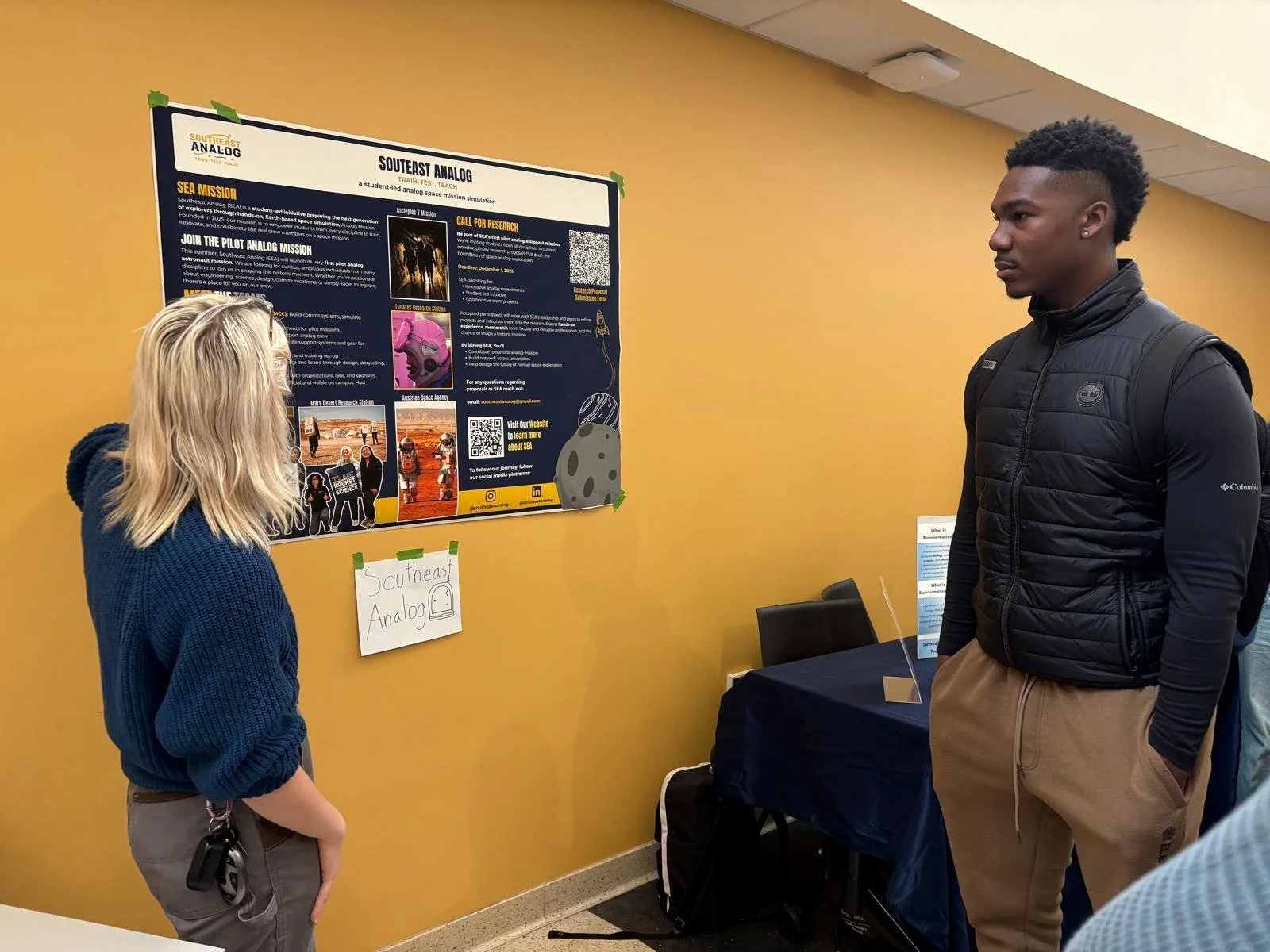
Southeast Analog (SEA) is a student-run analog space program redefining access to spaceflight training in the United States. Through realistic Earth-based missions, SEA empowers students of all backgrounds to become the next generation of spaceflight leaders.
RUN BY STUDENTS FOR STUDENTs.

Redefining what a student space program can be.
From astronaut training to mission control, SEA gives students real responsibility and a chance to see what it really takes to run a space mission. Learn why we’re different:
-
Southeast Analog was founded by Vic Paulson, an analog astronaut who experienced firsthand the barriers that often limit access to spaceflight training. To participate in an analog mission at Asclepios, Vic traveled overseas and personally covered the cost of flights and mission expenses. Vic experienced firsthand how opportunities like these required thousands of dollars and significant logistical commitment.
That experience raised a critical question: Why should access to analog astronaut opportunities depend on geography or financial means?
Vic began collaborating with Sara Kapasi, SEA’s Head of Research, Kurt Gugelev-Shapiro, Head of Logistics, and Alan Yeung, Head of Mission Control Center, about creating a more accessible alternative: one that would allow students to participate in realistic analog missions within the United States, while still remaining inclusive of students from different states and countries.
As the idea gained momentum, Vic, SEA’s President, brought together a multidisciplinary student team at Georgia Tech to turn that vision into reality. What began as a shared conversation quickly evolved into a student-led initiative dedicated to expanding access to analog spaceflight experiences.
Today, Southeast Analog is actively preparing for its pilot analog mission in August, marking the next step toward redefining how students engage with human spaceflight.
-
Analog missions are Earth-based spaceflight simulations that help us understand what it takes for humans to live and work in extreme environments like the Moon or Mars. Instead of leaving Earth, crews operate in carefully chosen settings that recreate key challenges of space, including isolation, limited resources, teamwork under pressure, and scientific research in unfamiliar terrain.
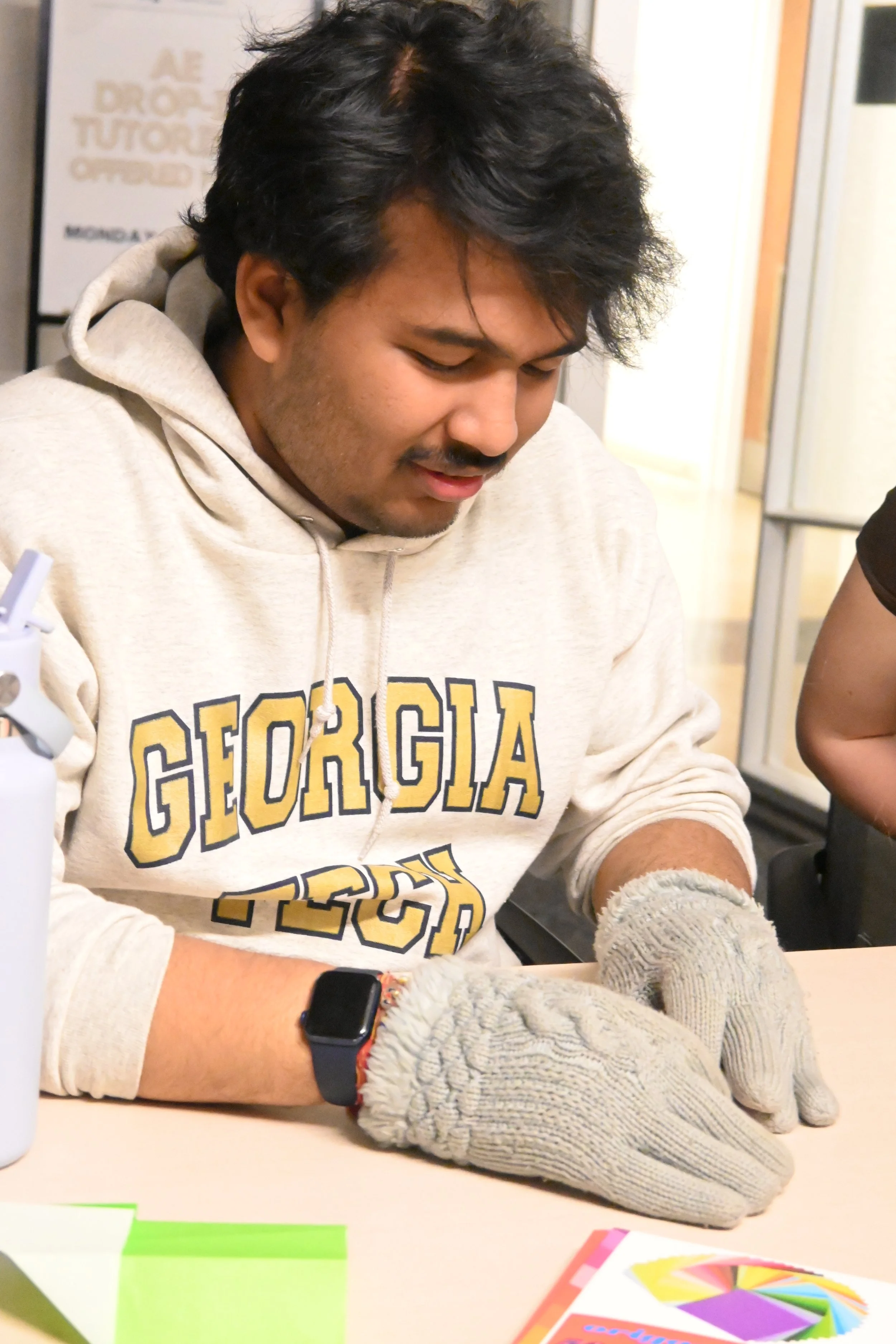
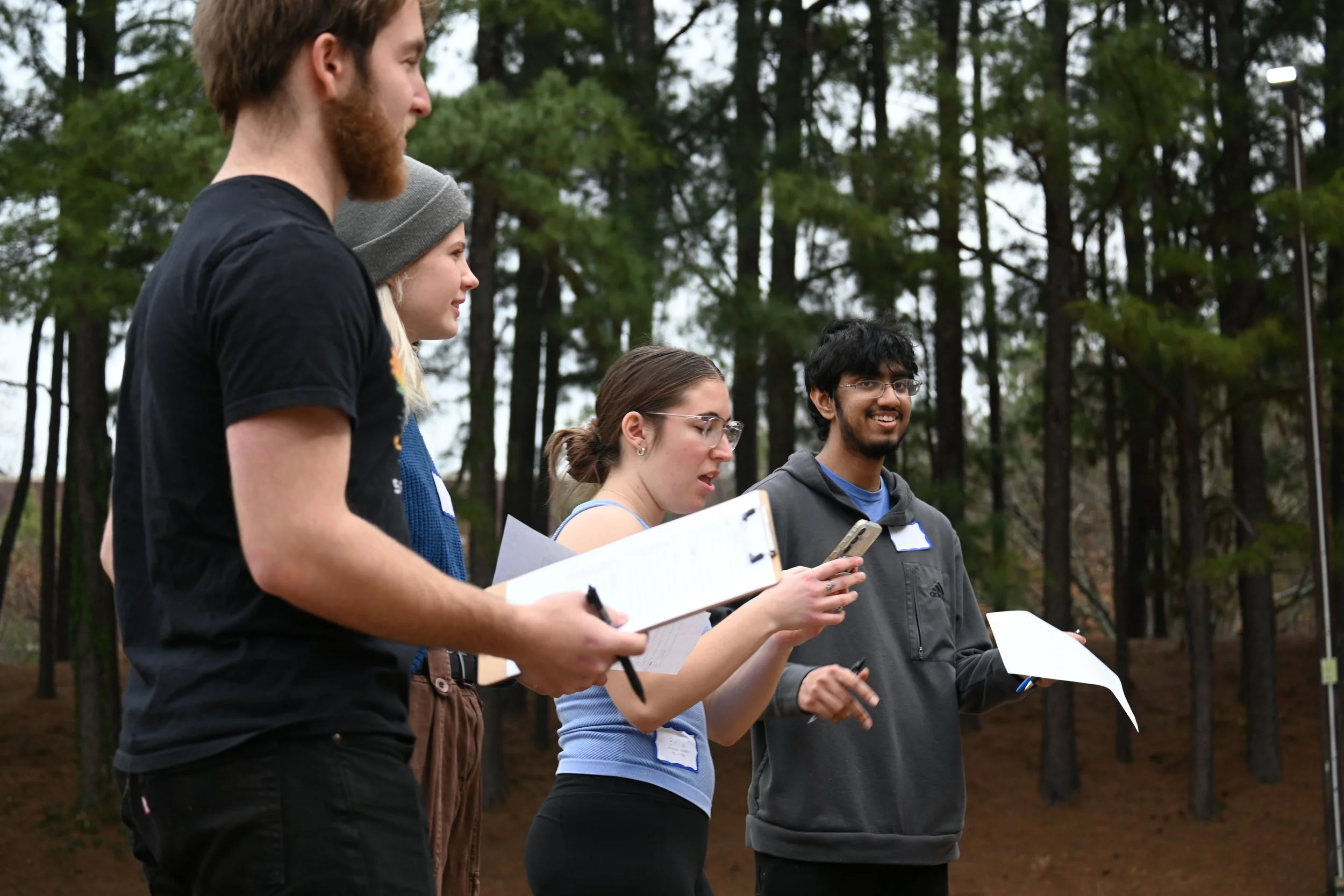
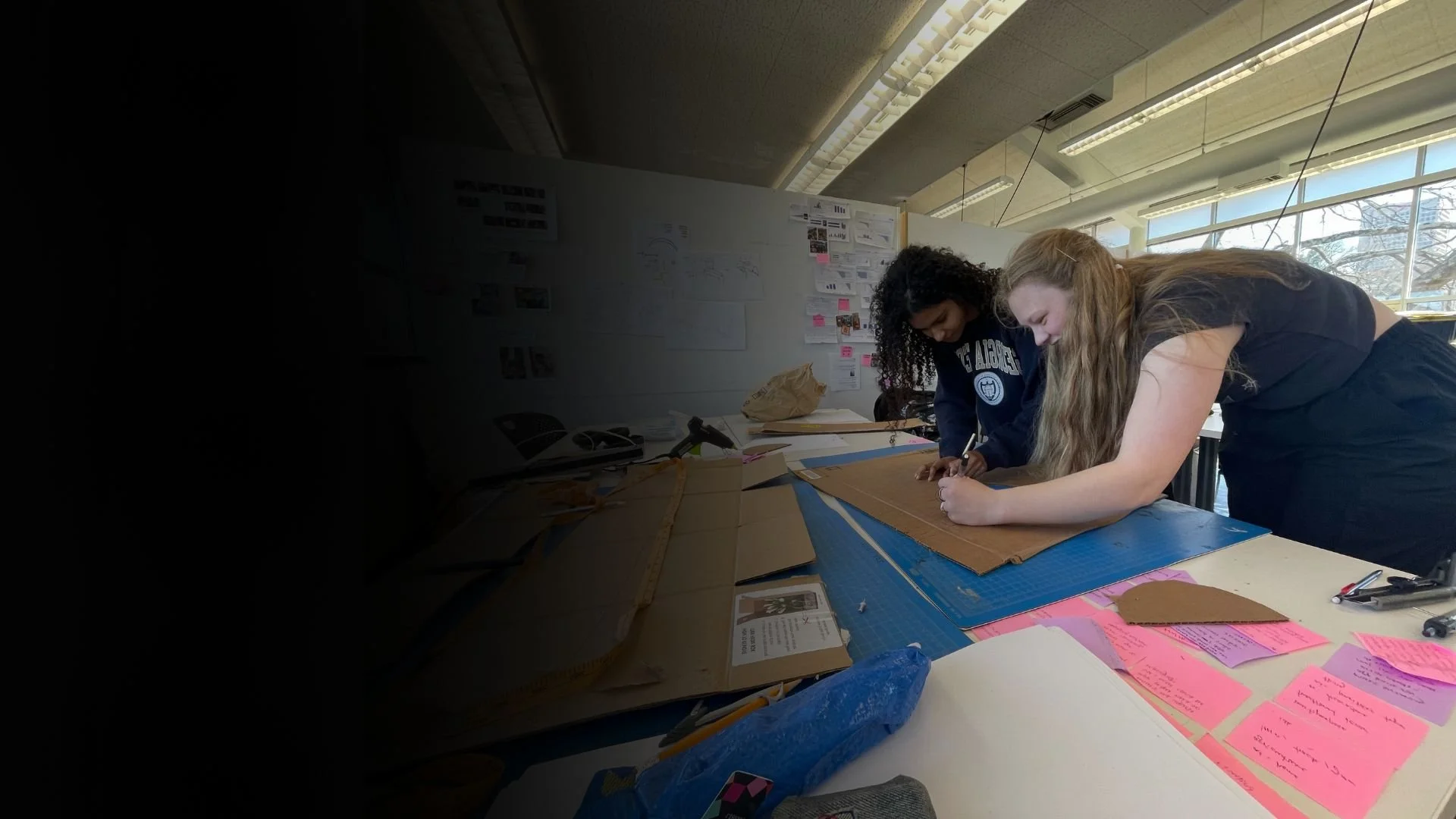
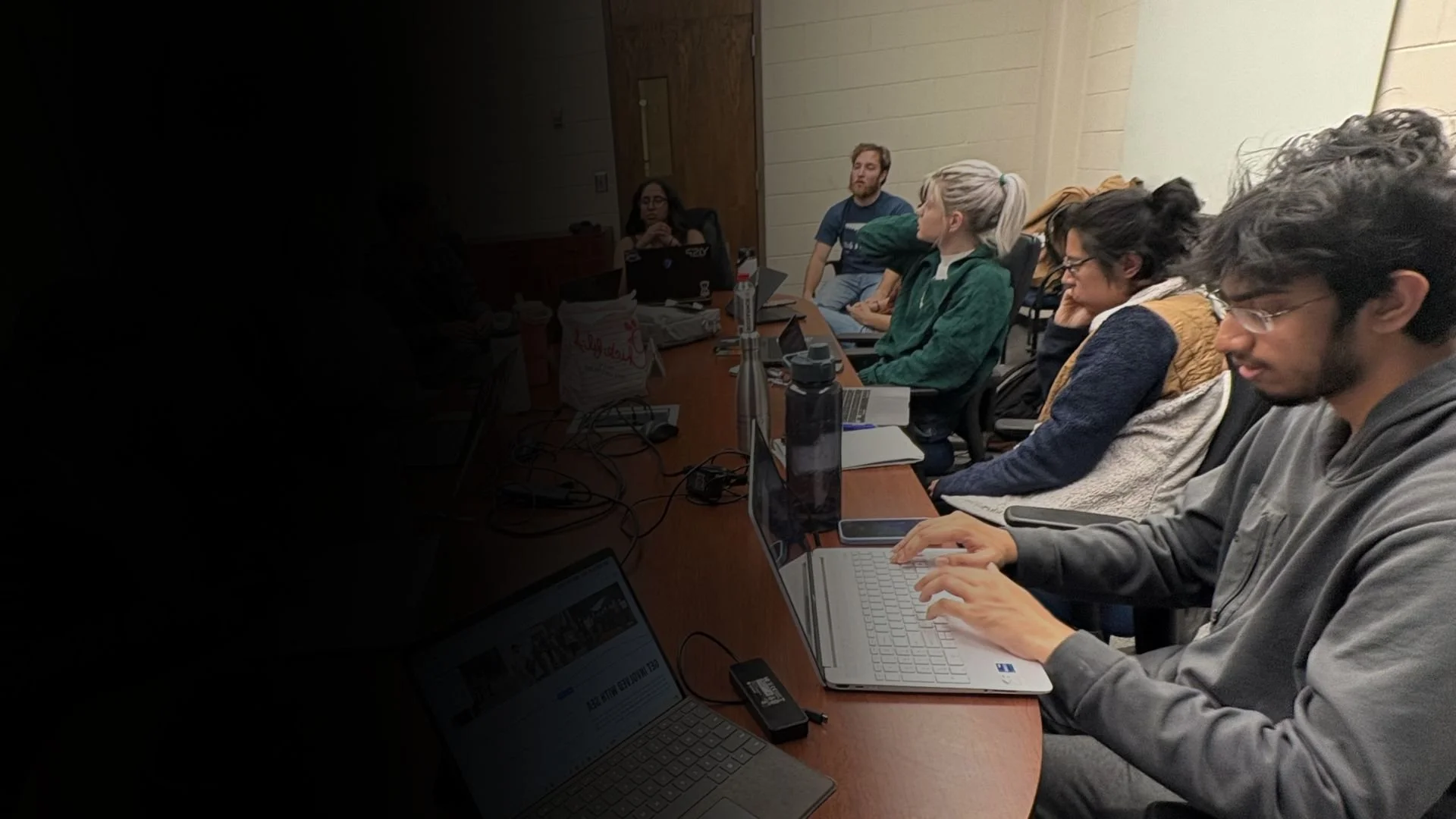
Running an analog mission requires a large, coordinated team working across many disciplines. For this reason, Southeast Analog is structured to mirror real space programs. We bring together students to be part of research, astronaut selection and training, mission control operations, engineering, logistics, and systems development. Students participating in these roles gain hands-on experience and begin to understand what it truly takes to plan, execute, and support a successful human spaceflight mission.
-
Southeast Analog isn’t just another student club or classroom project, we are a fully student-run analog space program where students take ownership of the entire mission, from planning to researh execution. A central part of SEA’s mission is research. Our analog missions are designed to support student-led and faculty advised research projects that study the challenges of human spaceflight.
What really sets SEA apart is that we run these missions right here in the United States, making high-fidelity analog experiences more accessible to students from across the country and even internationally. Students of all majors and backgrounds can step into real roles, take meaningful responsibility, and gain hands-on experience that mirrors how actual spaceflight programs operate.
SEA isn’t just about observing space missions, we are all about running them, learning what it truly takes, and preparing the next generation of space explorers in a way that no other program in the U.S. currently does.
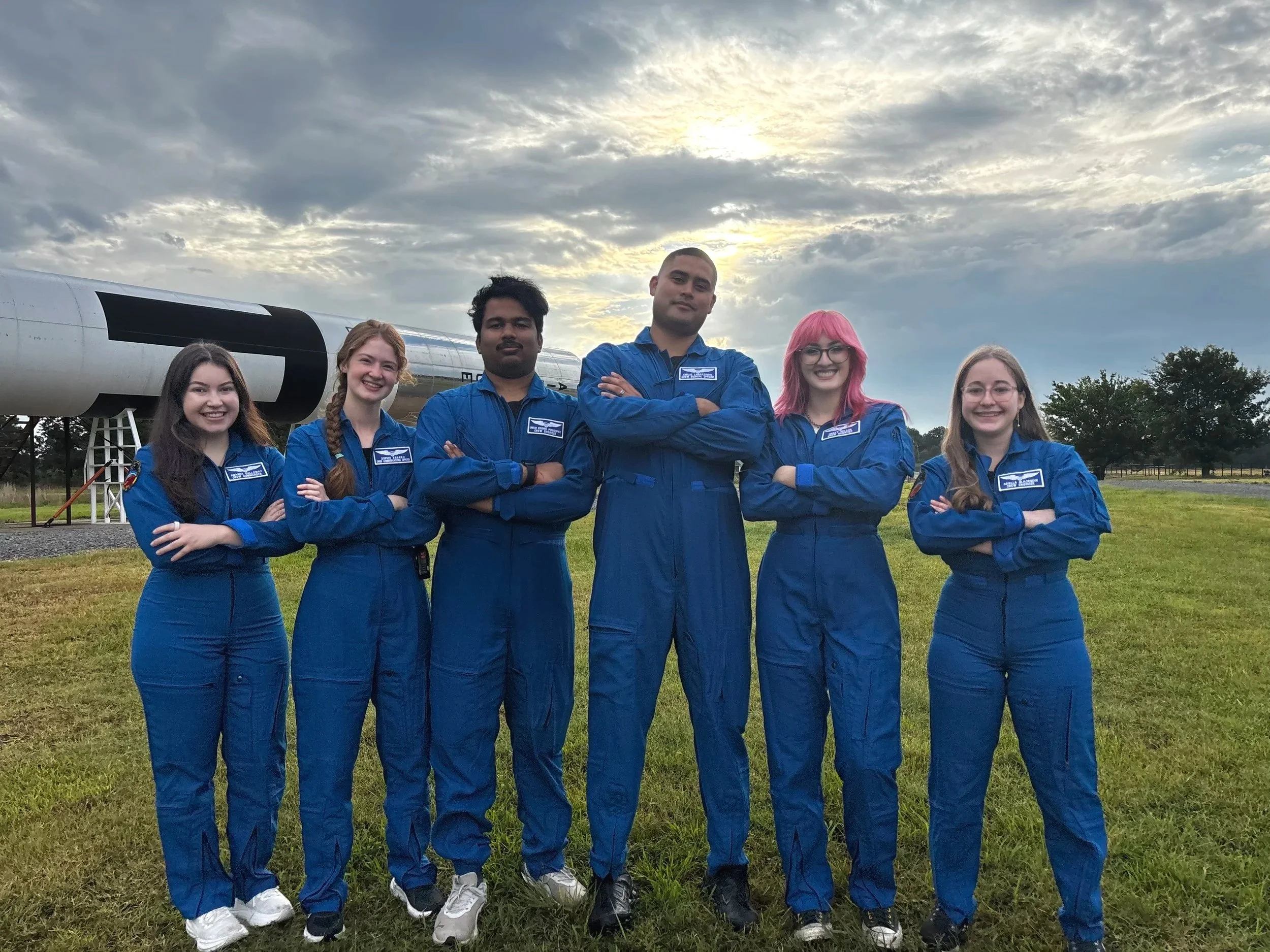
OUR MISSION.
At Southeast Analog, our mission is to break down barriers to spaceflight experience and make opportunities accessible to students form all backgrounds. We aim to give students hands-on involvement in every aspect of an analog mission, from research and astronaut training to operations, mission control, and engineering.By doing this, SEA cultivates qualities that real space programs depend on: collaboration, problem-solving, and leadership skills. Our goal is to prepare students not just to participate, but to take ownership, innovate, and lead in the future of human space exploration. We exist to make high-quality, immersive spaceflight experiences something any motivated student can pursue, inspiring the next generation to dream bigger and achieve more.
THE ANALOG FEED
THE ANALOG FEED



What Our Members Say
-
![]()
Gabriel Buggi
"Southeast Analog has showed me that my dream to contribute to the advancement of human space exploration does not have to wait until I have my degree. The experience I have gained thus far has been more than I could have ever imagined for my first semester at GT." - Freshman, Aerospace Engineering, Georgia Tech
Instagram Lead & Logistics Team
-
![]()
Ajira Pandey
"It has been an immersive learning experience for me. Academically I really enjoy implementing what I learn in class into this club, enhancing my understanding of basic concepts. I have also learned how to interact with others in a professional environment since this club requires a lot of outreach and communication with industries, research institutes, and more. Personally, I have made great friends at this club since everyone here is so nice and patient with each other." - Freshman, Aerospace Engineering, Georgia Tech
Logistics and Communications
-
![Bella Diedrich]()
Bella Diedrich
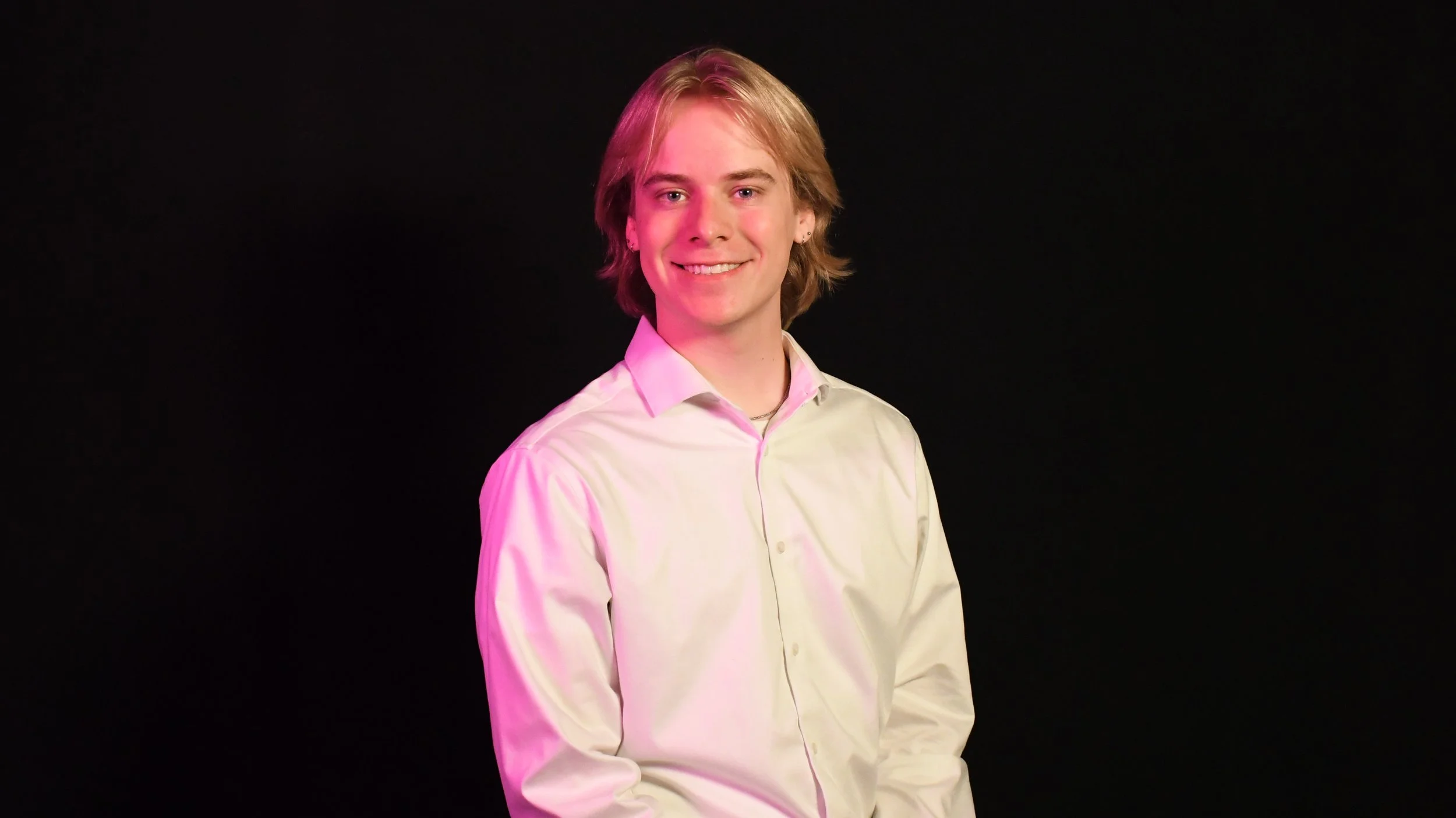
“SEA has allowed me to receive industry congruent experience and meet NASA standards while designing the mission control center! I look forward to every SEA meeting and work session. SEA's environment and culture is unmatched -- I've received mentorship and support in order to grow as a first-year student with limited previous experience. SEA is just the opportunity for students interested in astronautics to get involved in something bigger than themselves.” - Freshman, Aerospace Engineering, Georgia Tech
Mission Control Center Team




OUR 2026 PARTNERS





atlanta
244 North Avenue NW,
Atlanta, GA 30303

“
we turn ambition into action
-Southeast Analog