
Inside Mission Control: Training Simulation
Last weekend, Southeast Analog hosted a two-day, in-person Mission Control Training, bringing together both flight controllers and astronaut crew members for a full mission simulation.
After weeks of virtual sessions, this training gave teams the chance to work side by side in real time. Participants trained in their console teams, learned how to communicate through voice loops, and experienced what it feels like to operate in a mission control environment with multiple systems and data streams running at once.
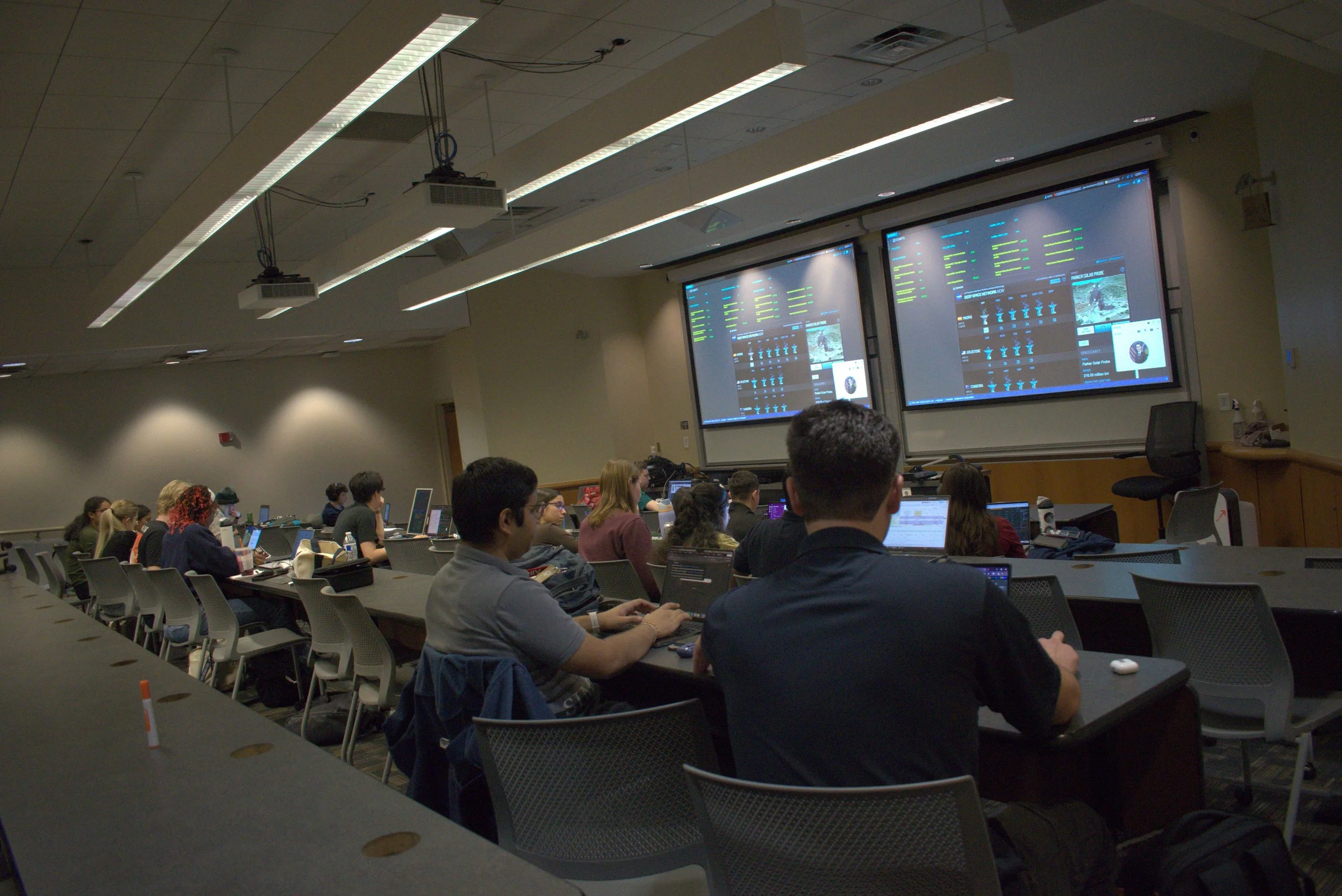
SEA flight controllers working in Mission Control as they coordinate systems and respond to real-time simulation scenarios
For many, this was their first time working on console in a live simulation setting. The setup gave teams a close look at what real mission control feels like, where communication, timing, and coordination all happen at the same time.
Astronauts also took part in the training, working alongside flight controllers while completing additional preparation, including CPR and swim training. The focus was not just on individual roles, but on how crews and mission control operate together as one system.
Many of the scenarios unfolded in real time, requiring quick decisions and constant communication across teams. Flight controllers and astronaut crew members worked through situations such as habitat depressurization, CO₂ sensor discrepancies, communication loss, and system failures, each designed to simulate challenges that can arise during real mission operations.
Throughout the simulation, teams stayed focused under pressure, communicating clearly across console roles and supporting one another as they worked through each situation together.
The training followed a structure inspired by NASA-style mission control operations, where clear procedures, defined responsibilities, and rapid decision-making are essential. Every team operated within a structured system designed to mirror how real mission control environments function during active missions.
As SEA continues preparing for its pilot mission in August 2026, experiences like this help both flight controllers and astronauts build the coordination, communication, and trust needed for mission readiness.
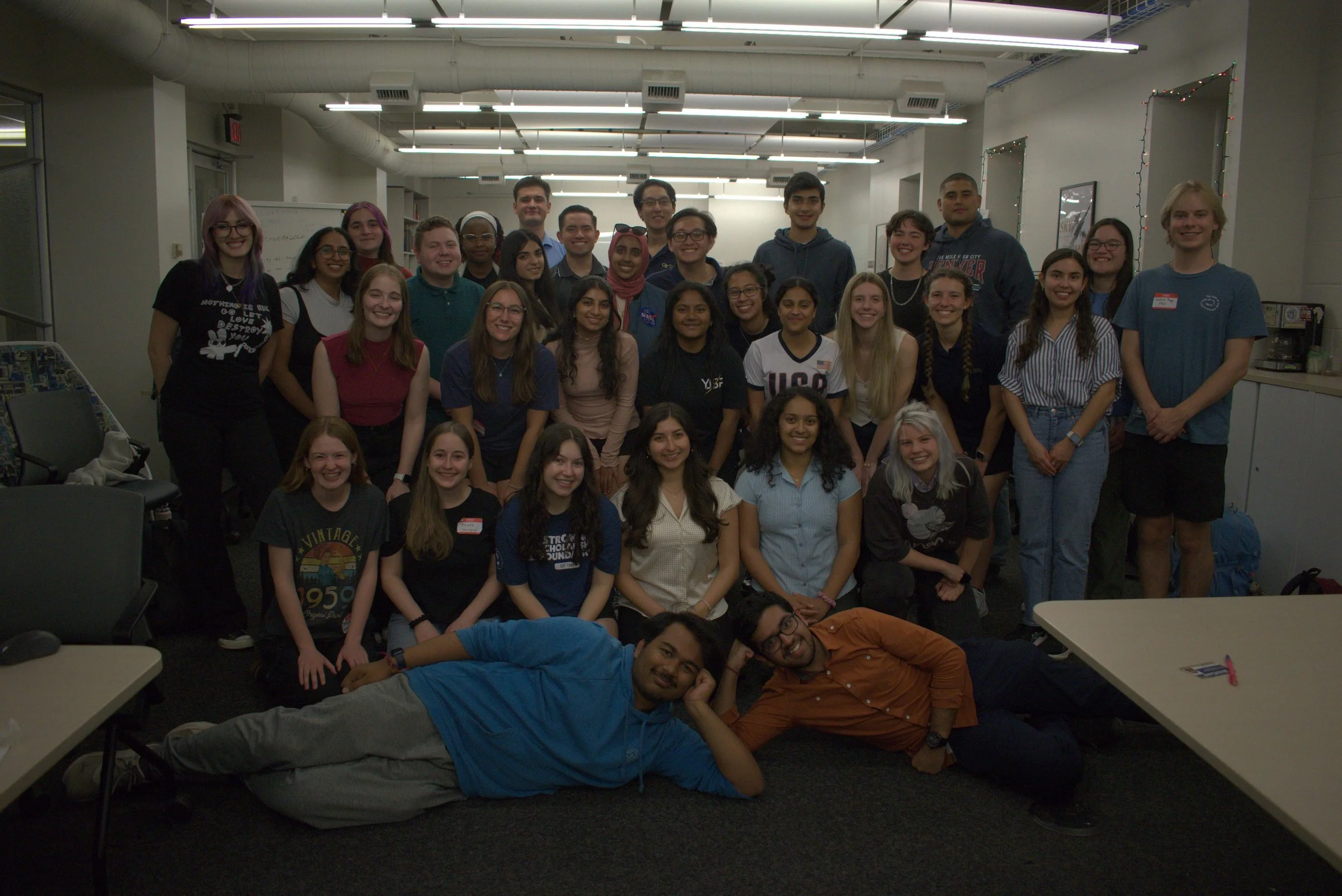
Members of the SEA flight control and astronaut teams during in-person Mission Control training.
