
EARTH-Bound, Mars ready
Training for the future of human spaceflight.
SEA I-THALASSA
10 SOLS. 6 ANALOG ASTRONAUTS. 1 SIMULATED MARTIAN JOURNEY.
SEA I - THALASSA is a 10-sol (Martian day) simulated space mission running from August 8 to August 18, 2026. Living in physical isolation inside an advanced analog habitat at Titan Ranch in Arkansas, a crew of six exceptional student analog astronauts will simulate the high-stakes environment of a mission to Mars.
Operations are managed 24/7 right from the campus of the Georgia Institute of Technology, where a team of 31 student flight controllers operates a state-of-the-art Mission Control Center (MCC). Bringing together nine research projects investigating human factors, space biology, and aerospace engineering, THALASSA bridges the gap between student innovation and the future of deep space exploration.
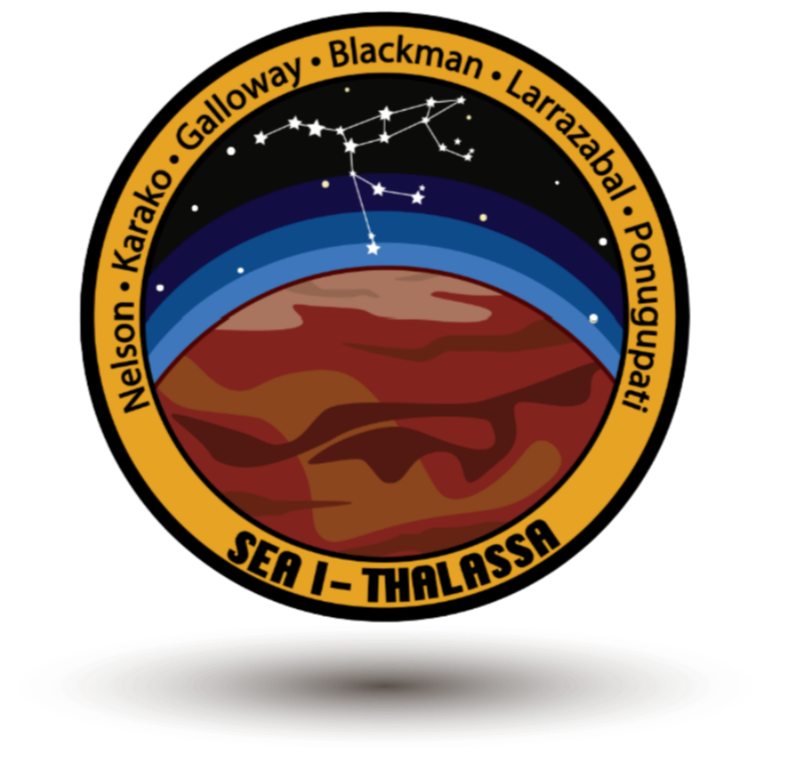
Patch designed by Hailey Nelson
Mission Report
Want to learn more about SEA I and the journey behind the development of our first mission, SEA I–Thalassa? We invite you to explore our official mission report. In this report, we go back to the very beginning of Southeast Analog, documenting the process, challenges, and efforts that went into developing what became the first student-led analog space mission of its kind in the United States. What started as an idea now grew into an initiative that brought together more than 50 students, all contributing to a shared vision of making human spaceflight opportunities more accessible to students.

TITAN RANCH
MEET OUR ANALOG ASTRONAUTS
(Click on any astronaut to view their full profile)
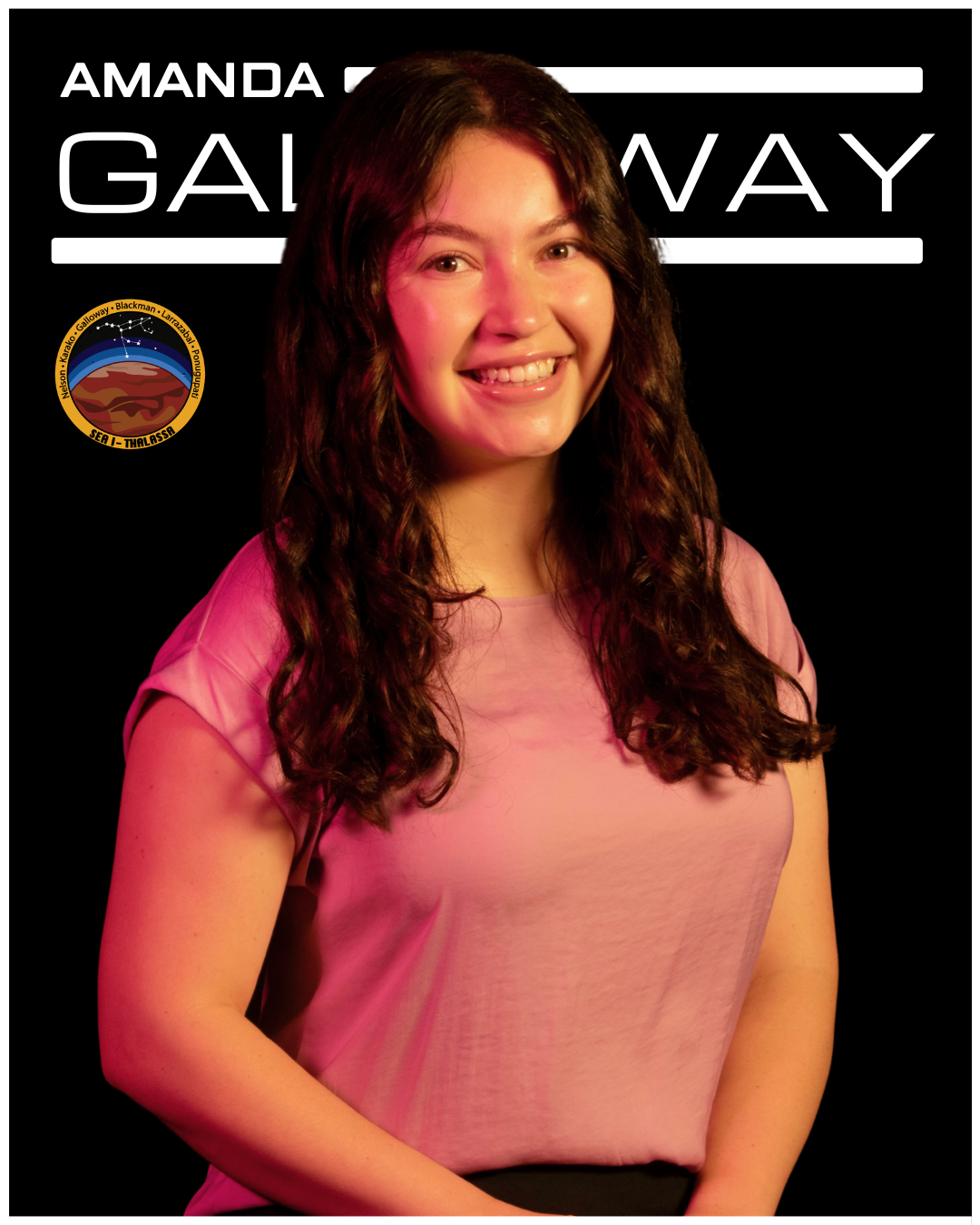
AMANDA GAlloway
Crew Commander and Chief Communications Officer
Ph.D. in Bioengineering at Rice University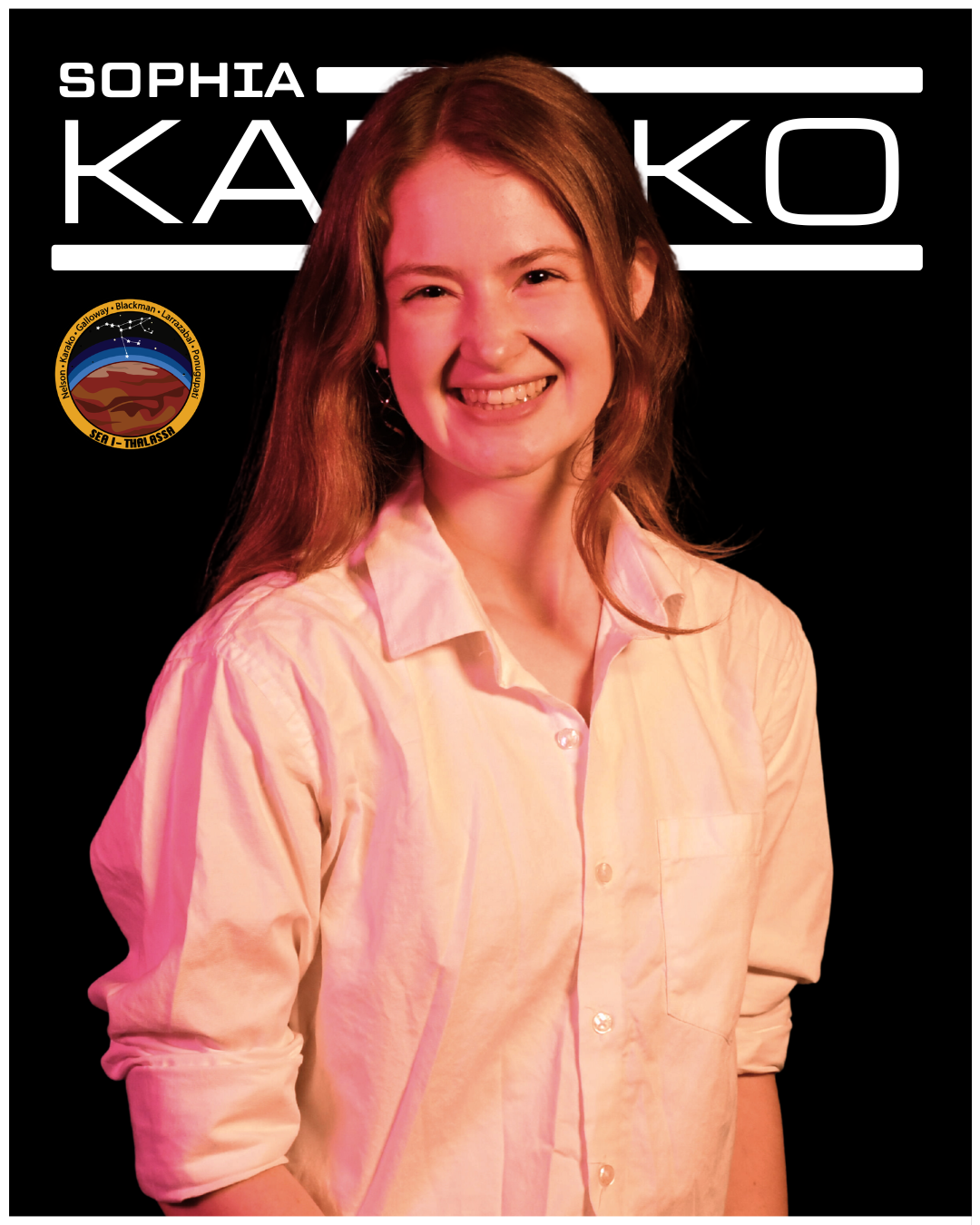
SOPHIA KARAKO
Crew Commander and Crew Communications Officer
Undergraduate in Aerospace Engineering at Georgia Institute of Technology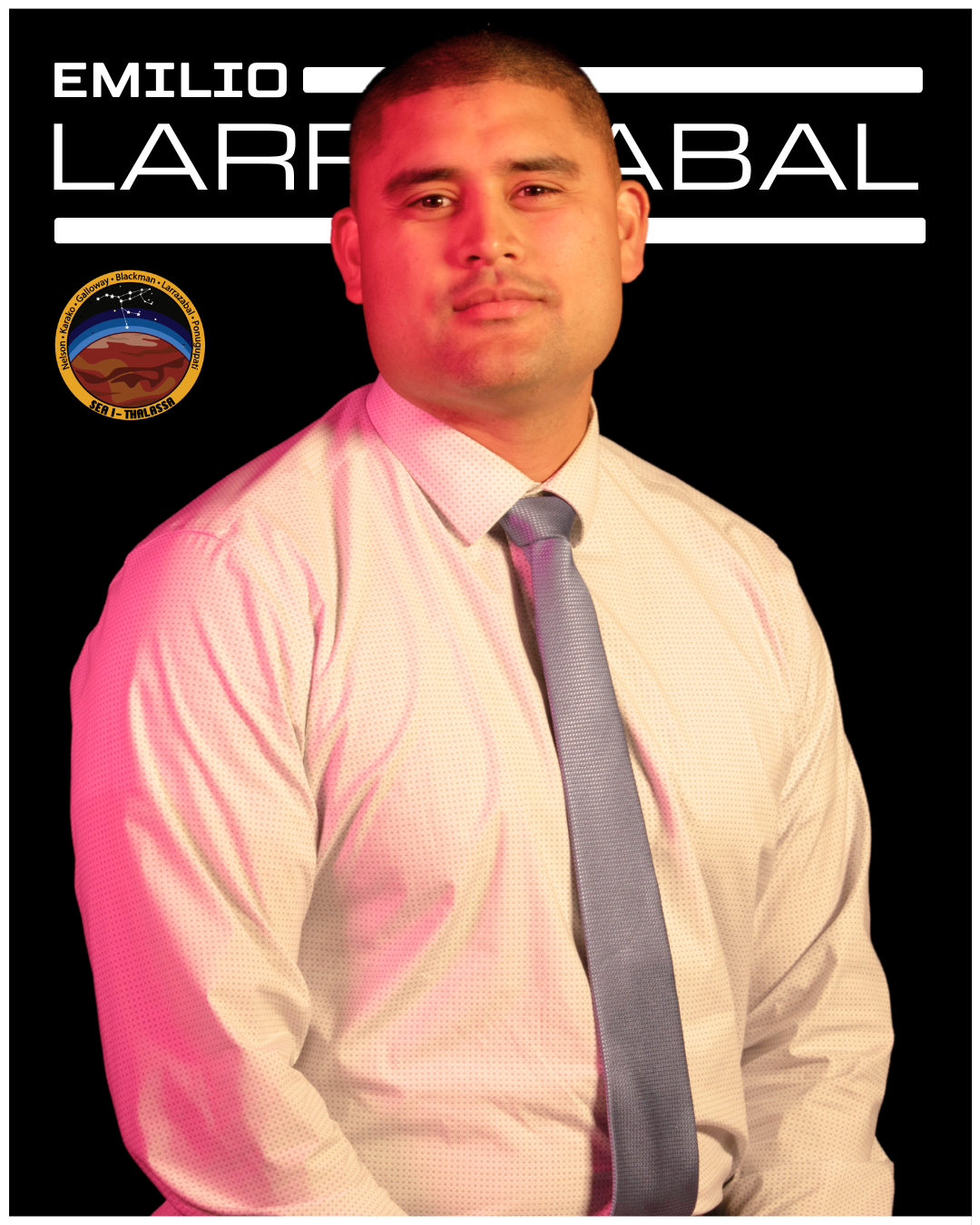
Crew Medical Officer
Emilio Larrazabal
M.D. at University of California, Los Angeles (UCLA) David Geffen School of Medicine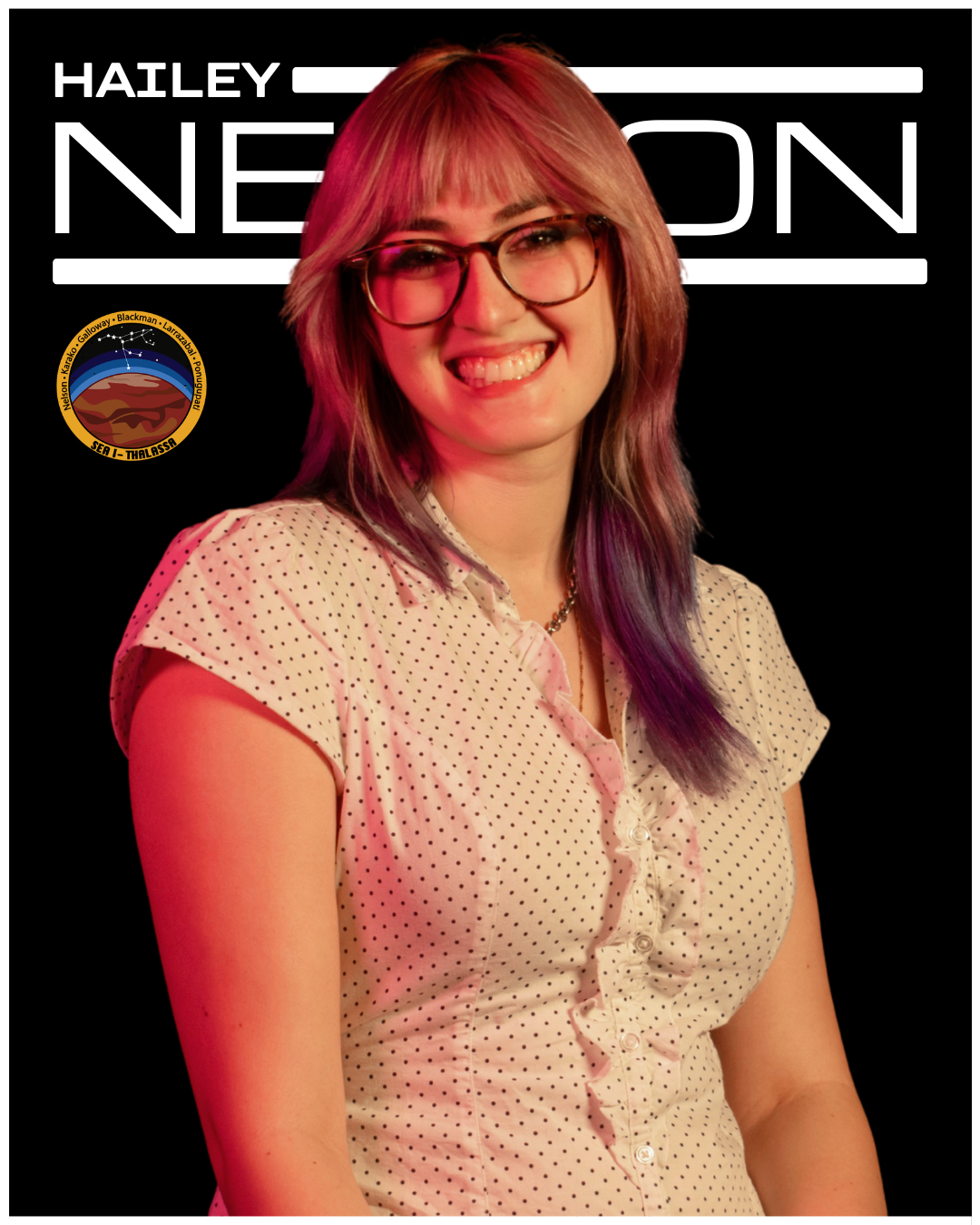
Crew Scientist
Hailey Nelson
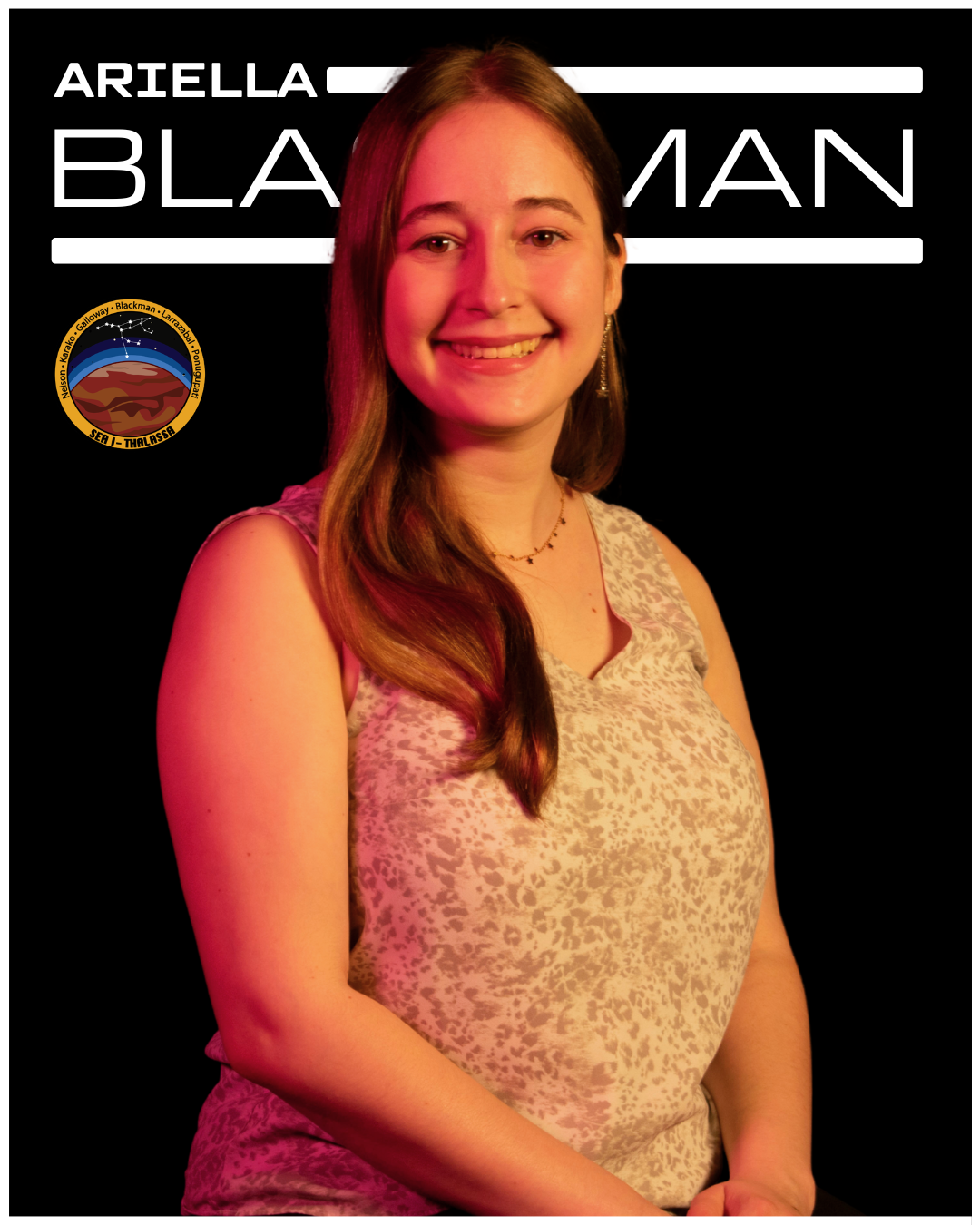
Ph.D. in Astrophysics at Arizona State UniversityAriella Blackman
Crew Engineer
Undergraduate in Aerospace Engineering at Massachusetts Institute of Technology (MIT)
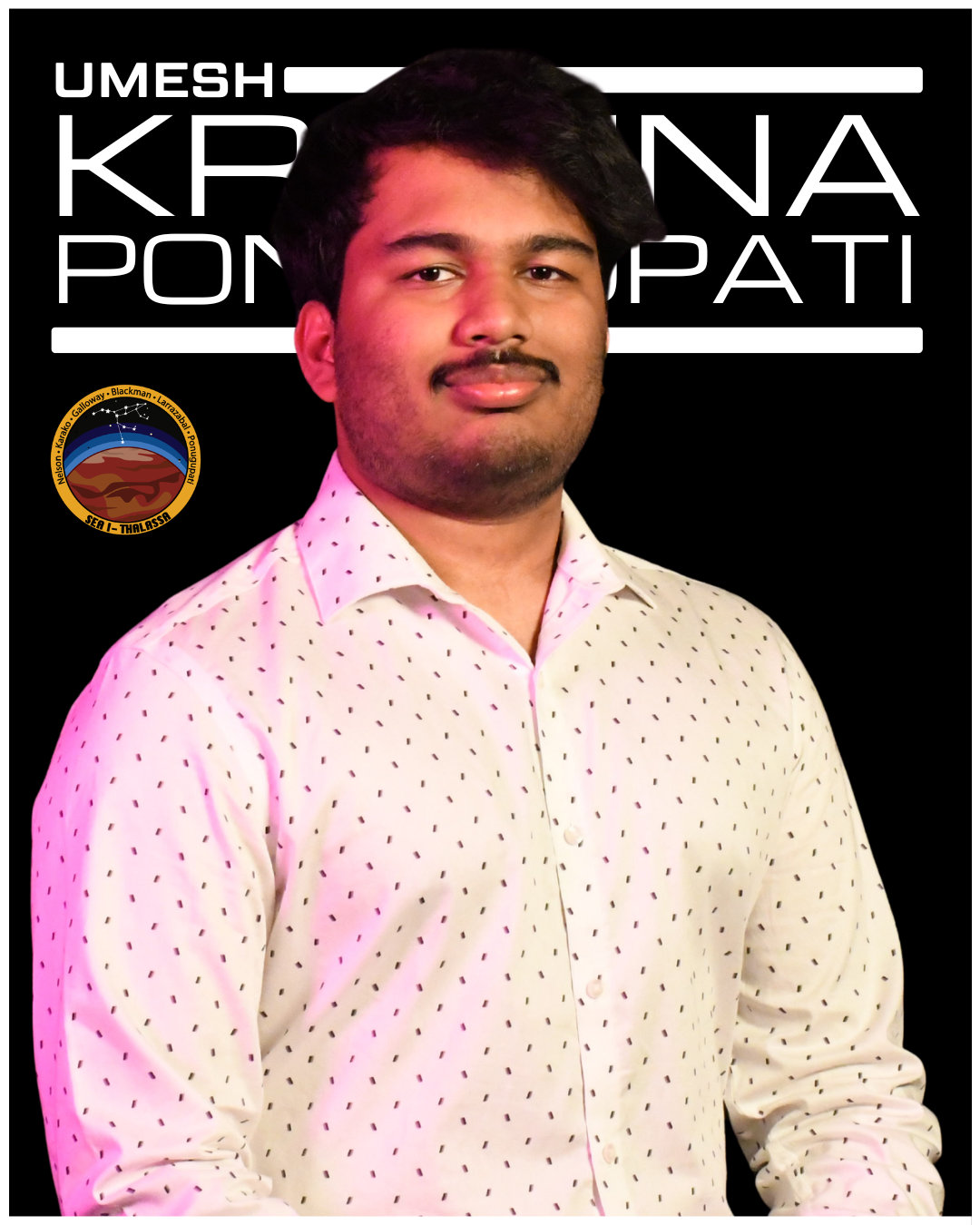
Crew Engineer
Umesh krishna ponugupati
Undergraduate in Aerospace Engineering at Georgia Institute of Technology
PROJECT 01 // UNIVERSIDAD CATÓLICA BOLIVIANA
An Assessment of a Commercial Off-The-Shelf Rover for Planetary Analog Exploration
Led by Gabriel Rojas Silva
The SALT project will evaluate a teleoperated rover operating in the Uyuni Salt Flat, with analog astronauts controlling the rover from inside the habitat over a three-day operating period.
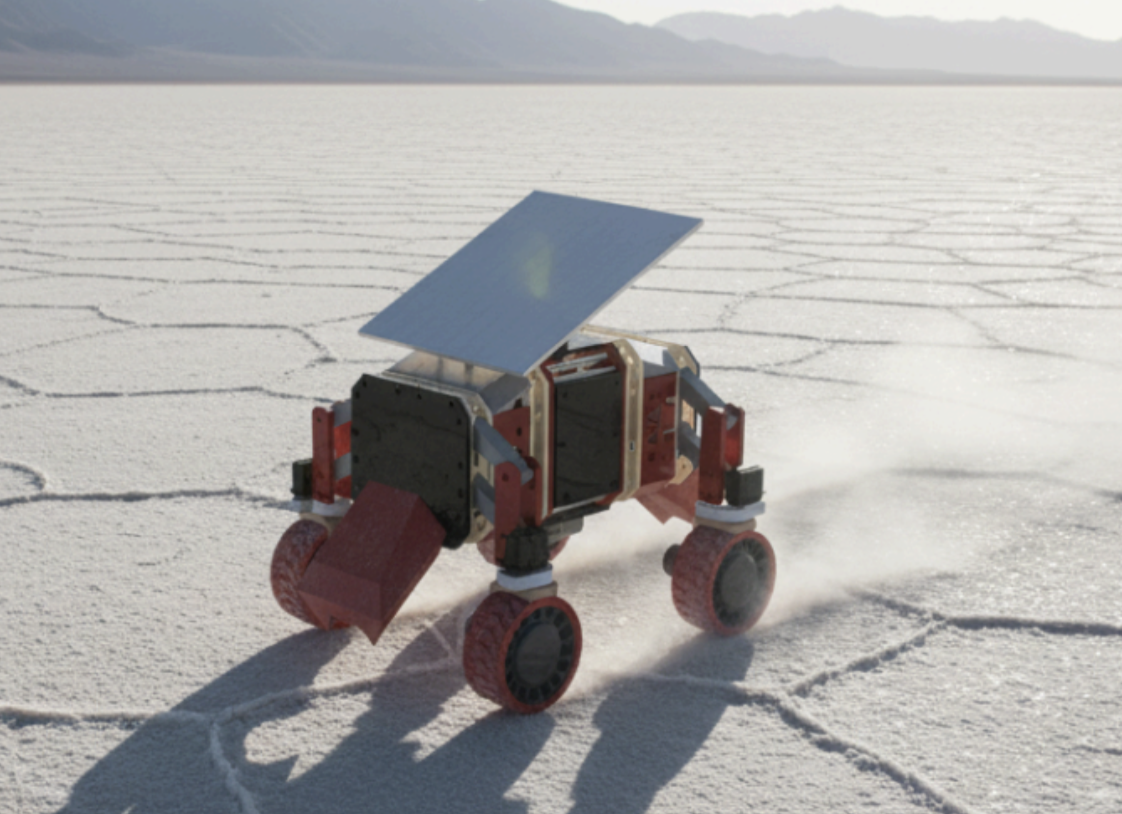
Image of SALT rover, Rumipi, rendered on the Uyuni Salt Flat in Bolivia.
PROJECT 02 // DEPAUL UNIVERSITY
Cognitive Control Under Sustained Analog Mission Stressors
Led by Soha Ali
This project uses cognitive assessments like the Stroop Test and task-switching paradigms to study astronaut cognitive flexibility during and after the mission.

Institutional logo representing the academic affiliation of the primary research team.
PROJECT 03 // GEORGIA TECH AEROSPACE ROBOTICS LAB & NASA JPL
Field Test of Coordinated Formation Sensing for a Multi-Rover Team
Led by Kurt Gugelev-Shapiro and Umesh Ponugupati
Developed in partnership with NASA JPL, this project focuses on coordinated rover movement, exploration, mapping, and ISRU (In-Situ Resource Utilization) feasibility analysis using CADRE rover models.
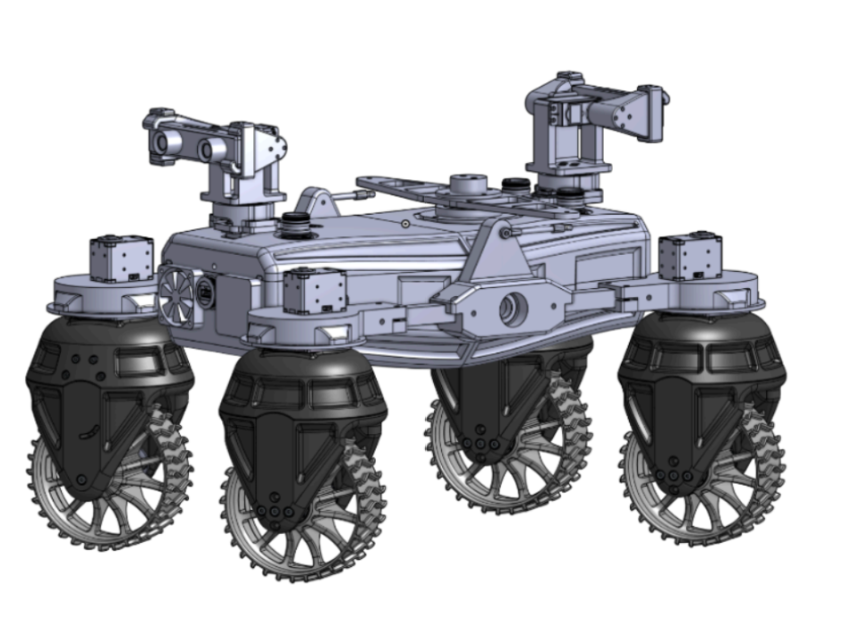
CADRE Lunar Rover CAD mockup.
PROJECT 04 // SOUTHEAST ANALOG MISSION MANAGEMENT
Evaluating Career Outcomes of Analog Astronaut Programs
Led by Vic Paulson
This initiative surveys analog astronauts and flight controllers to comprehensively evaluate how participating in Southeast Analog impacts student career trajectories, professional confidence, and goals in space-related fields.

Institutional logo representing the academic affiliation of the primary research team.
The Mission Control Center
The Southeast Analog Mission Control Center (MCC) is made up of 11 specialized teams and 31 student flight controllers operating from the campus of the Georgia Institute of Technology. Designed to mirror a real NASA flight control room, this team maintains 24-hour support to manage communications, operations, schedules, crew safety, science activities, and mission technology, ensuring a successful, high-stakes analog mission.

Patch Designed By Hailey Nelson
TEAM 01 // MISSION LEADERSHIP
Flight Directors (FLIGHT)
The Flight Director leads the flight control team and serves as the final decision-making authority for mission activities, crew safety, habitat safety, and overall mission execution.

Mya Taheri

Alan Yeung
Bella Diedrich
TEAM 02 // SAFETY & SIMULATION
Chief Training Officers (CTO)
Primary mission safety and simulation lead. The CTO team oversees all simulations, ensures structural mission safety, injects anomalies during training scenarios, and possesses absolute authority to stop operations if conditions become hazardous.
Vic Paulson

Neeha Baireddy
Isadora Bokas
TEAM 03 // HABITAT LINK
Capsule Communicator (CAPCOM)
The primary communicator and single point of contact between Mission Control (MCC-GT) and the astronauts inside the habitat. CAPCOM routes instructions, manages telemetry feedback loop communication, and repeats crucial data seamlessly to the crew.
Francesca Ruhe
Carolina Rebelo
TEAM 04 // INTERNAL SYSTEMS
Operations Support Officer (OSO)
Manages all intravehicular activities (IVA), monitors science operation schedules, develops nutrition/exercise plans for the crew, and coordinates directly with research principal investigators (PIs) to verify experimental parameters are completed correctly.

Dhriti Naik
Kaitlyn Paulson

Soha Ali

Ajira Pandey
TEAM 05 // SURFACE MISSIONS
Extravehicular Activities Officer (EVA)
Plans and monitors all activities occurring outside the physical habitat structure. EVA coordinates crew selection, manages suit donning/doffing procedures, tracks prebreathe/depressurization intervals, and analyzes post-EVA reports to ensure flight safety.

Elias Pimentel

Kira Argiro

Jackie Morales-Corona
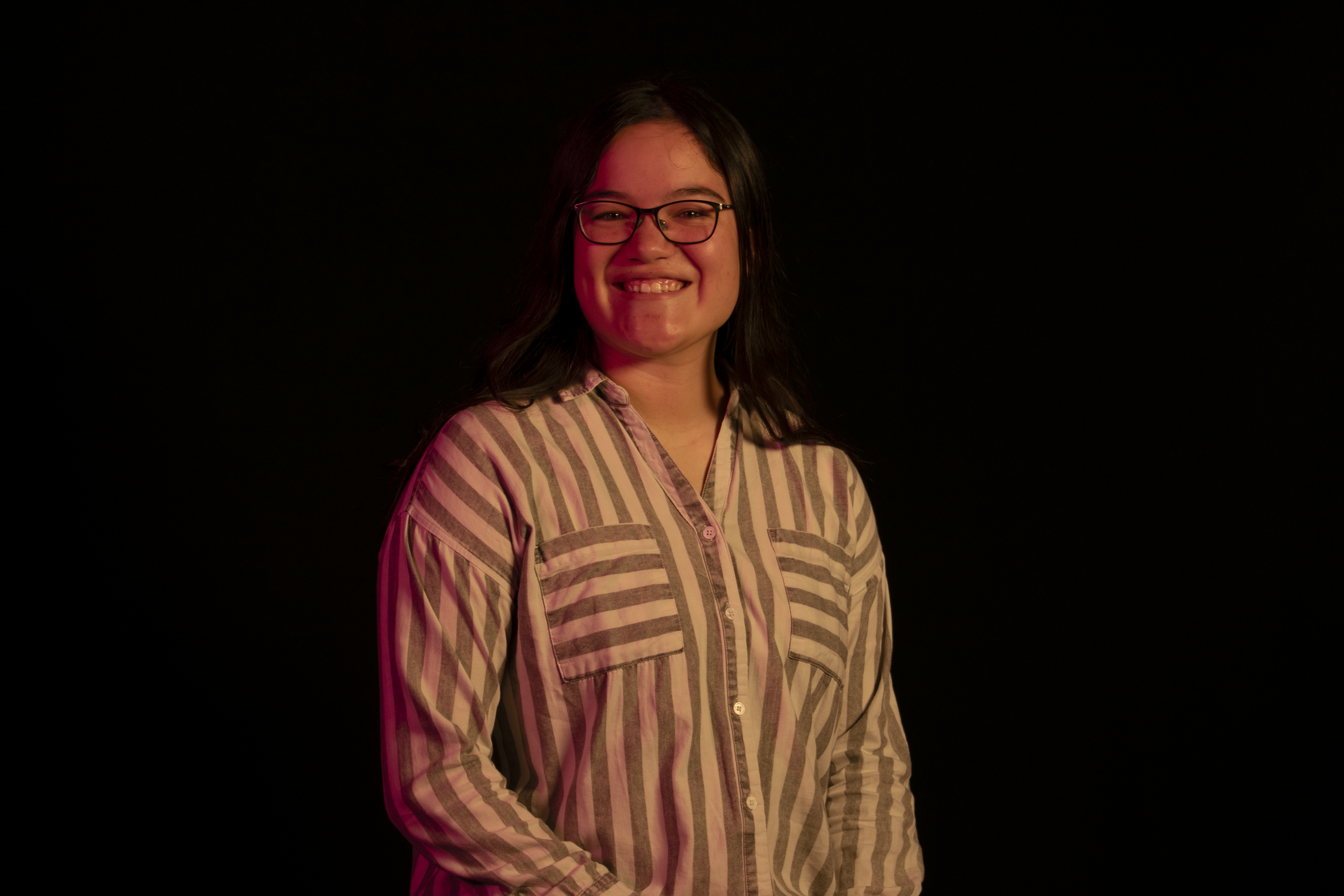
Katelyn Czarnowski
TEAM 06 // LIFE SUPPORT SYSTEMS
Electrical, Environmental, & Consumables Manager (EECOM)
Monitors external/internal environmental baselines, thermal controls (TCS), lifesupport systems (ECLSS), and habitat power grids (EPS). Tracks resource levels for food, water, waste, and oxygen, acting as second-in-command if Flight leaves the floor.

Shriya Sawant
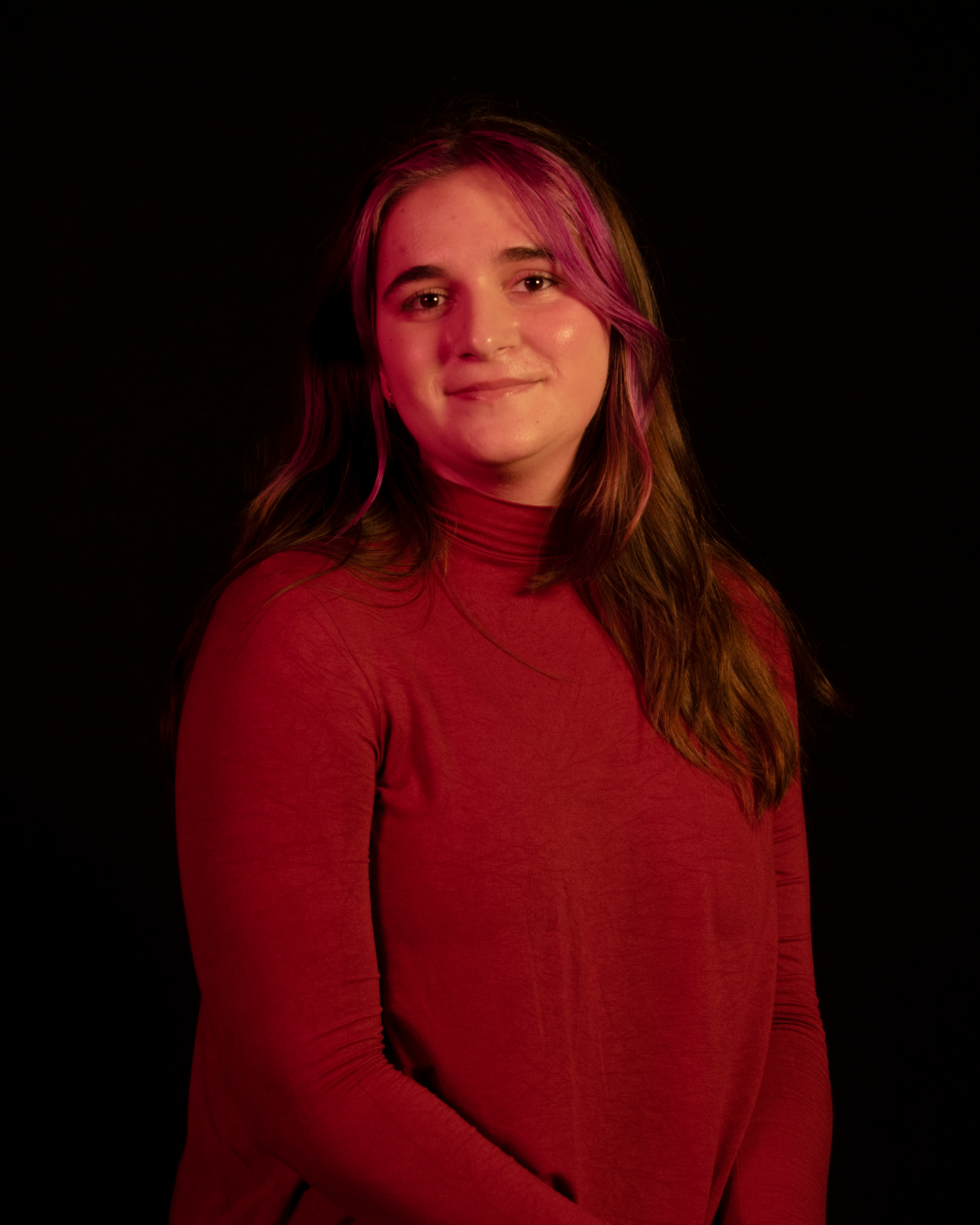
Carolyn Conrad
TEAM 07 // AV & ELECTRONICS
Communications Operations Management & Electronics Technology Specialist (COMETS)
A combined structure of traditional PLUTO and CRONUS console roles. COMETS directs all computer network equipment and IT systems inside the habitat, handling communication loops, encryption codes, and telemetry up/downlinks.
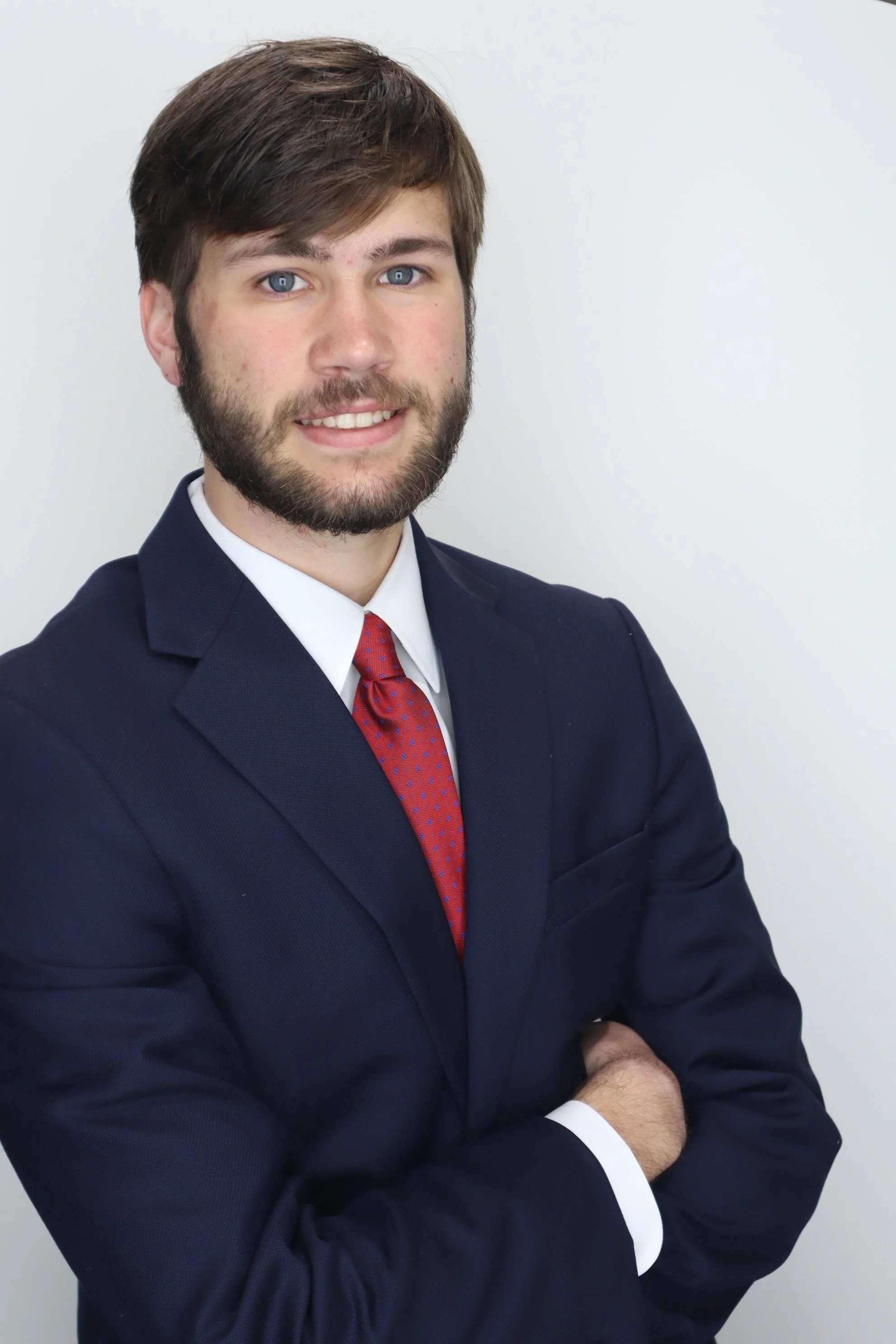
Thomas Smith

Shivali Chainani

Katya Tumanova
TEAM 08 // CONTROL OPERATIONS
Ground Control (GC)
Manages real-time communications hardware and system configurations. GC monitors local mission control networks, displays, GDS servers, active feeds, and cameras, maintaining link integrity both within the control center and out to the live public webstreams.
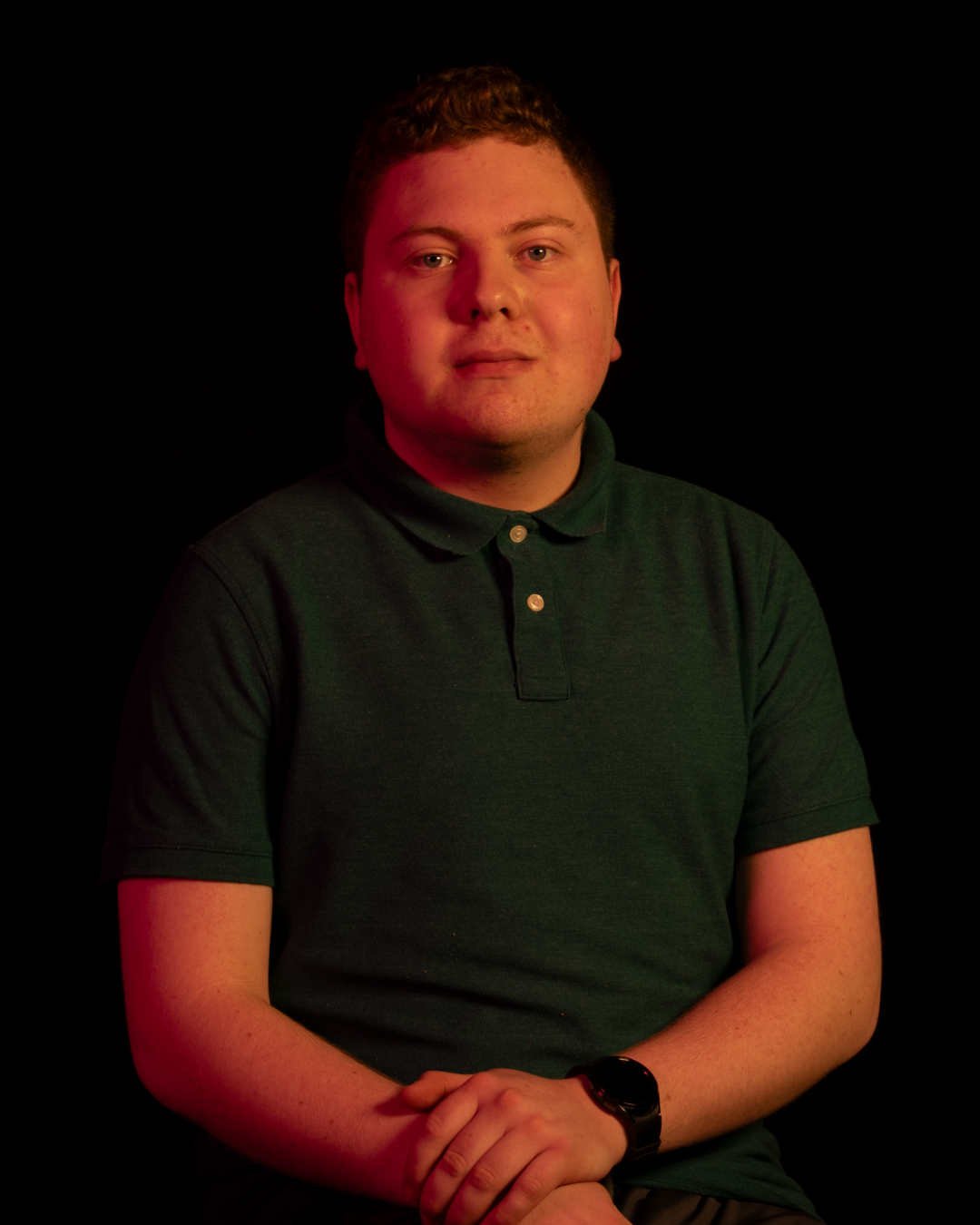
Jacob Gillet
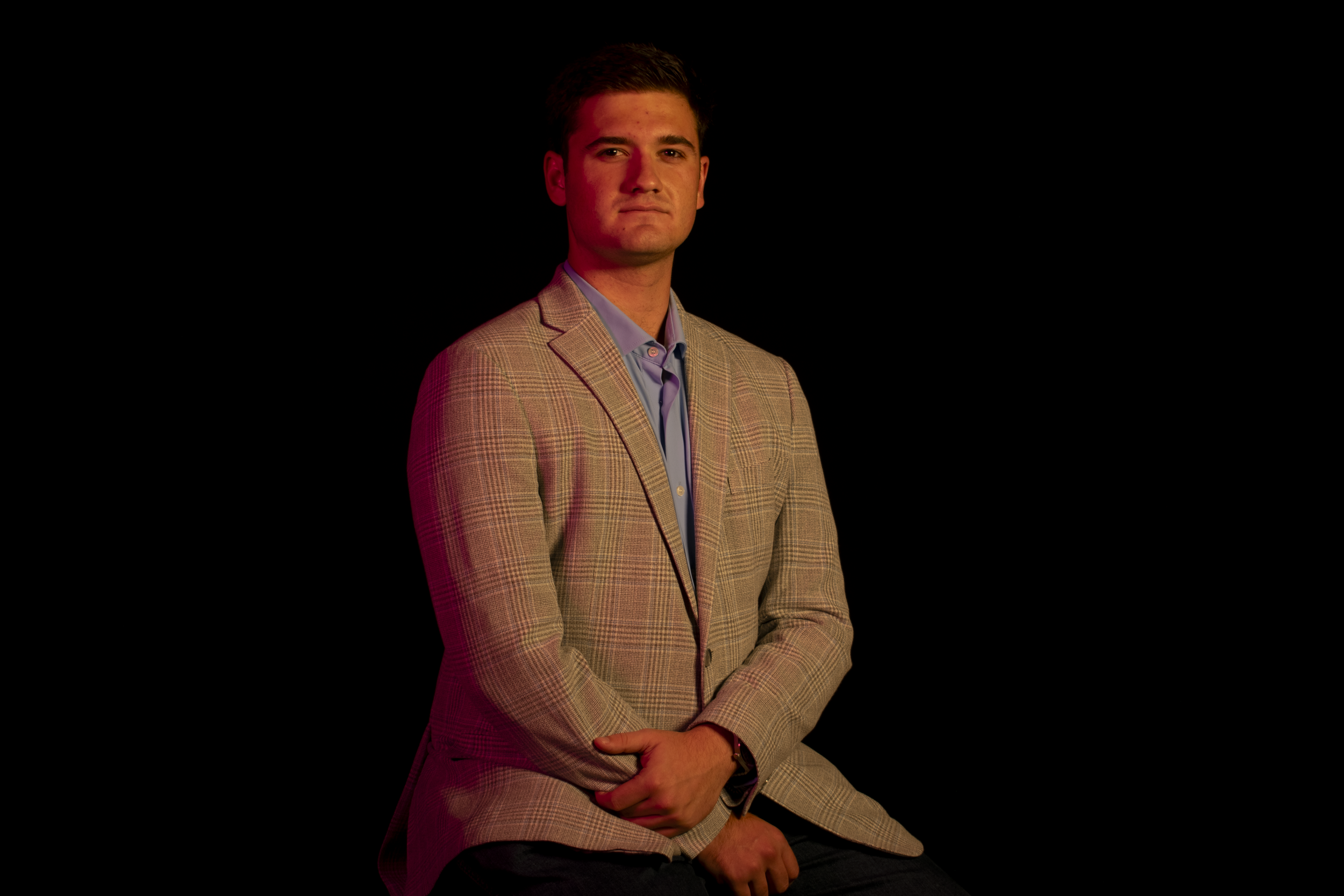
Diego Dunham
Tilak Trivedi
TEAM 09 // MISSION COMMUNICATIONS
Public Affairs Officer (PAO)
Directs public-facing mission branding, media channels, social outlets, VIP engagement tours, and press releases. Coordinates talk show streams and external coverage pipelines representing Southeast Analog to the community.
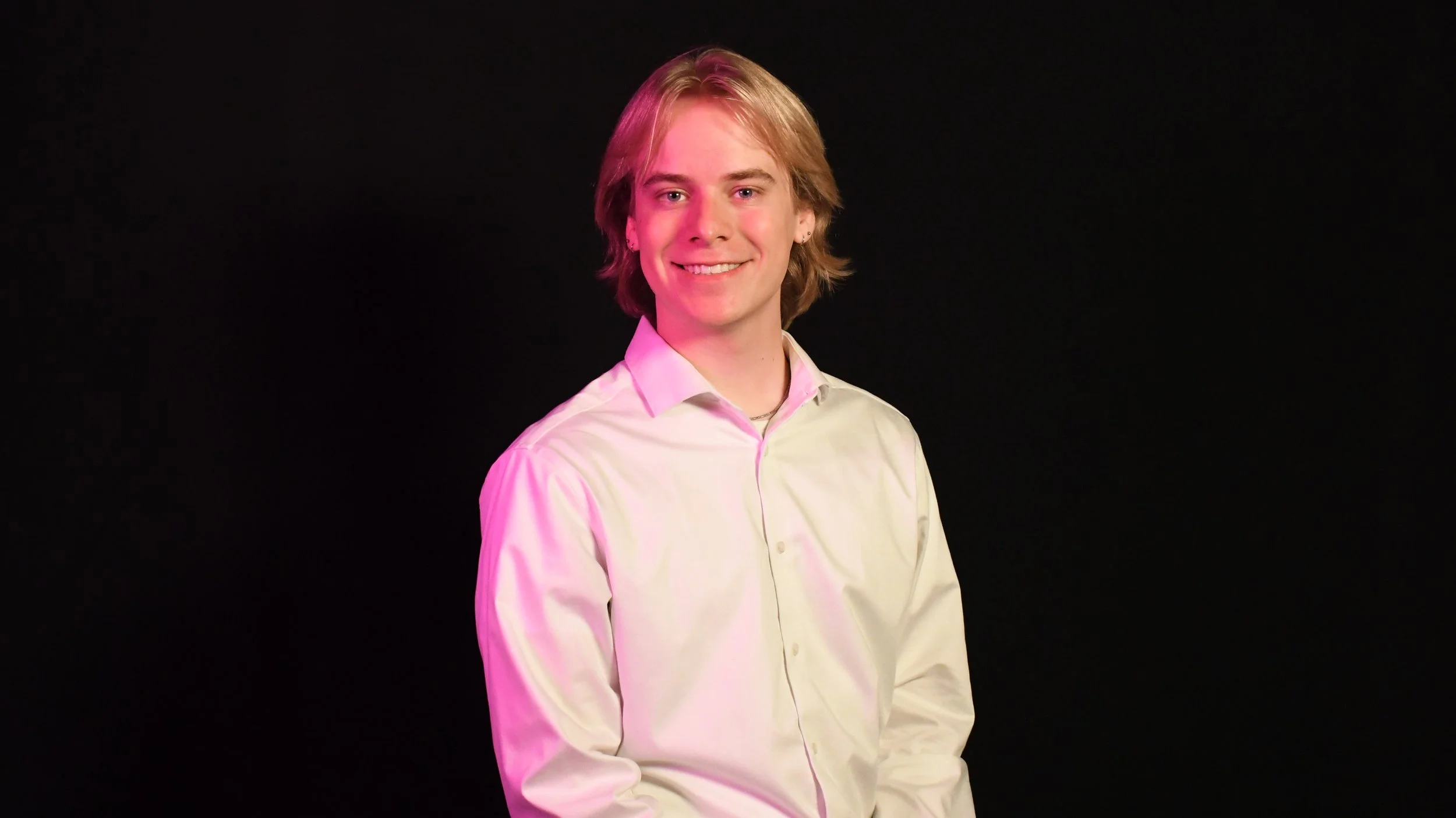
Gabriel Buggi

Joey Garcia

Leslie Nava

Wendy Morara
TEAM 10 // SCHEDULING OPERATIONS
Operations Planner (OPSPLAN)
Drafts and manages the comprehensive daily schedule and timing flow for both control center staff and the astronaut crew. Ensures proper shifts are aligned, coordinates request blocks, and maintains chronological organization of activities.

Mahi Kansagara
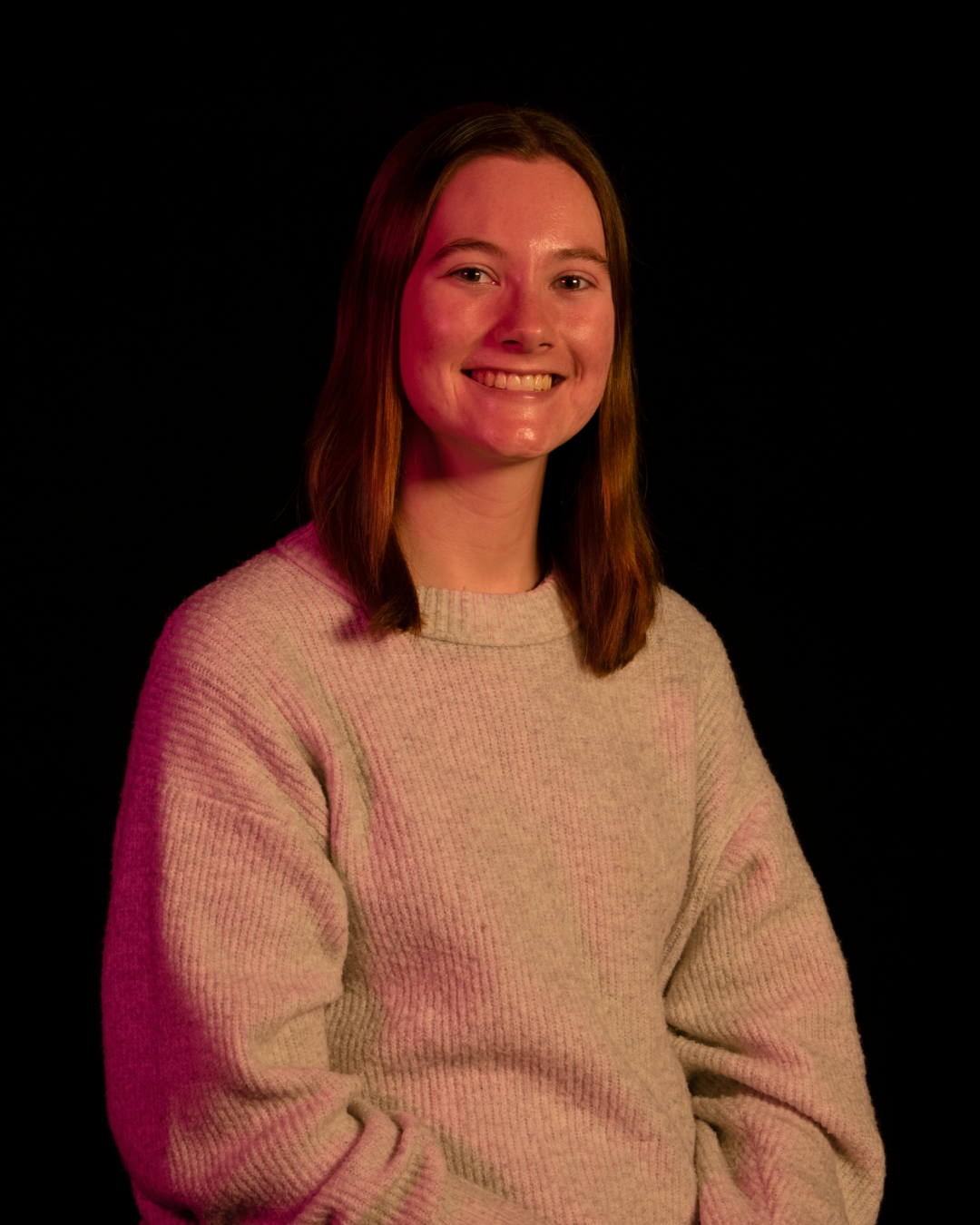
Sarah Karl

Nishant Sood
TEAM 11 // MEDICAL OPERATIONS
Flight Surgeon
Monitors medical baselines and physiological conditions. Remains on call to conduct private medical consultations with the crew, manage healthcare procedures, and coordinate health actions with MCC.
On-Call Support